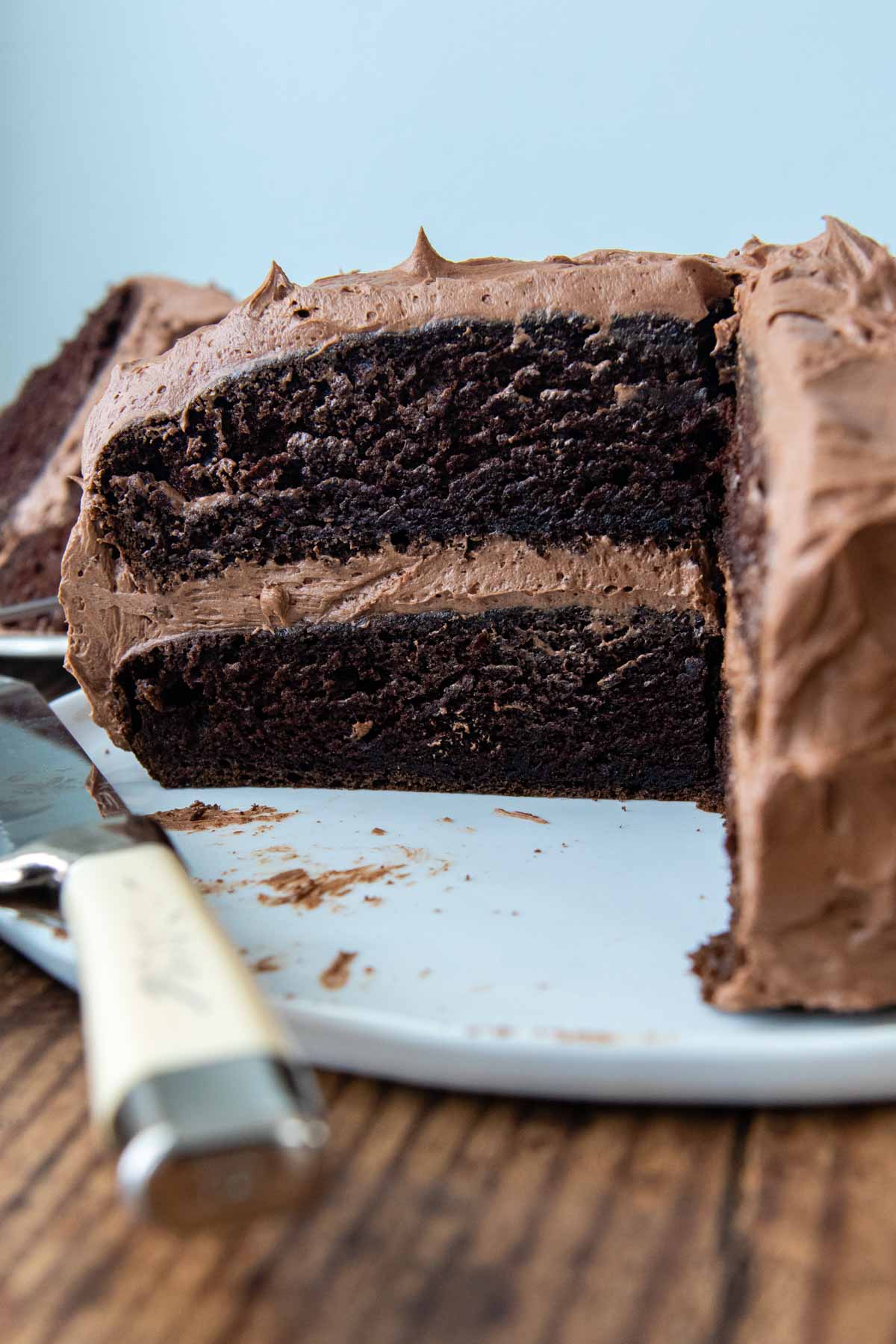
The Secret to Moist Gluten-Free Chocolate Cake: Unlocking Unforgettable Fudginess with Boiling Water
For anyone navigating the world of gluten-free baking, the quest for a truly moist, tender, and deeply satisfying chocolate cake can feel like a culinary holy grail. Too often, the results are dry, crumbly, or possess that tell-tale gritty texture that instantly flags it as "gluten-free." But what if we told you there's a simple, almost magical ingredient that transforms a good gluten-free chocolate cake into an utterly irresistible, fudgy masterpiece that truly fools everyone? The secret, it turns out, lies in a humble kitchen staple: boiling water.
This article delves into why boiling water is the unsung hero of the
best gluten-free chocolate cake recipes, explaining the science behind its transformative power and guiding you to bake a dessert so delicious, no one will ever suspect it’s gluten-free.
The Gluten-Free Chocolate Cake Everyone Loves (and No One Guesses!)
Imagine a chocolate cake so rich, dense, and deeply fudgy that it becomes the undisputed star of every occasion, from impromptu weeknight treats to elaborate multi-tiered wedding celebrations. This isn't just a fantasy; it's the reality for countless bakers who have discovered the power of a well-crafted
gluten-free chocolate cake recipe. The beauty of these recipes lies in their ability to deliver all the classic chocolatey indulgence without any compromise on texture or flavor, making them the go-to choice even for those without gluten sensitivities.
The key to such universal appeal often comes down to simplicity and a few clever techniques. Many highly-rated recipes boast a straightforward one-bowl method, requiring no melted chocolate or fussy steps. Instead, they rely on pantry staples like gluten-free all-purpose flour, unsweetened cocoa powder, eggs, oil, and vanilla. This ease of preparation, combined with consistently delicious results, ensures that these cakes are not just "good for gluten-free" but simply "good cake."
The goal is to create a cake that stands shoulder-to-shoulder with any traditional counterpart, where the absence of gluten is a mere technicality, not a defining characteristic. A truly exceptional gluten-free chocolate cake should be so moist and tender that it disarms even the toughest critics, convincing them they're enjoying a beloved, old-fashioned, scratch-made dessert.
Unveiling the "Magic": Why Boiling Water is a Game-Changer for GF Cake
The inclusion of boiling water in a gluten-free chocolate cake batter might seem counterintuitive. Won't it cook the eggs? Won't it make the batter too thin? Far from it! This "magical special ingredient" is a cornerstone of success, addressing several common challenges in gluten-free baking and enhancing the overall cake experience. Here's a breakdown of its multifaceted benefits:
1. Saturates Starches & Eliminates Grittiness
Gluten-free flour blends, often composed of various starches and alternative flours, can have a tendency to absorb liquid differently than wheat flour. This can lead to a dry, sometimes gritty texture in the final product. Boiling water acts as a powerful hydrating agent. When hot water mixes with these starches, it helps them to fully saturate and "bloom," resulting in a smoother, more cohesive batter. This complete hydration is crucial for achieving that desired moist, tender crumb, effectively eliminating any hint of grittiness that can plague gluten-free desserts.
2. Activates Cocoa Powder for Richer Flavor
Chocolate cakes derive their deep, complex flavor from cocoa powder. Much like brewing coffee or tea, heat plays a vital role in extracting and intensifying flavors. When boiling water is added to the batter, particularly when it interacts with the cocoa powder, it helps to "bloom" the cocoa. This process releases the full spectrum of its aromatic compounds, deepening the chocolate flavor and resulting in a richer, more profound taste and a darker, more appealing color. It transforms mere chocolate essence into a truly decadent experience.
3. Aerates the Batter & Boosts Leavening
One of the most remarkable effects of boiling water is its ability to aerate the batter and significantly enhance the leavening process. When the hot water is introduced, it creates steam, which expands within the batter, contributing to a lighter, fluffier texture. Furthermore, the heat jump-starts the chemical reaction of baking powder and baking soda. This rapid activation produces more carbon dioxide bubbles, which are then trapped within the developing cake structure. The result is an incredibly light and airy crumb, a stark contrast to the often dense and heavy texture associated with less successful gluten-free cakes. This aeration, combined with proper saturation, ensures a cake that rises beautifully and maintains its delicate structure.
Beyond the Boil: Crafting Your Perfect Gluten-Free Chocolate Cake
While boiling water is undoubtedly a star player, achieving a truly exceptional
gluten-free chocolate cake also depends on other foundational elements. Here’s how to ensure every component contributes to your ultimate baking success:
Choosing the Right Gluten-Free Flour Blend
Not all gluten-free flour blends are created equal. For best results, opt for a high-quality all-purpose gluten-free flour blend that typically includes a combination of rice flours, starches (like potato starch or tapioca starch), and often xanthan gum. Xanthan gum is critical as it mimics the elasticity and binding properties of gluten, providing structure and preventing the cake from becoming too crumbly. Avoid single-flour options unless specified, as balanced blends yield superior texture.
The Role of Oil vs. Butter
Many of the most celebrated moist gluten-free chocolate cake recipes call for oil instead of butter, and there's a good reason for this. Butter, being solid at room temperature, can lead to a denser, sometimes drier crumb in gluten-free baking as it re-solidifies. Oil, however, remains liquid, infusing the cake with sustained moisture that contributes to a consistently tender and fudgy texture. This also makes it incredibly easy to adapt the recipe for dairy-free diets, a significant advantage for many bakers.
The Beauty of the One-Bowl Method
A truly great
gluten-free chocolate cake doesn't need to be complicated. Many top recipes embrace the one-bowl method, simplifying the process immensely. This typically involves whisking together dry ingredients (flour, cocoa, sugar, leaveners, salt), then adding wet ingredients (sour cream if used, oil, eggs, vanilla, and finally, the warm or boiling water) and mixing until just combined. The key is to mix thoroughly enough to combine ingredients without overmixing, which can sometimes lead to a tougher cake, even in gluten-free versions.
Baking to Perfection
Once your smooth, thick batter is ready, spread it evenly into a greased pan (a 9-inch round or square is common). Bake at 350°F (175°C) for approximately 30-35 minutes. The crucial test for doneness is the toothpick method: insert a toothpick into the center, and it should come out with a few moist crumbs, but not wet batter. Overbaking is a common culprit for dry cakes, so keep a close eye. Allowing the cake to cool properly in the pan before inverting is also important for structural integrity.
Tips for Elevating Your Gluten-Free Masterpiece
Once you’ve mastered the basic recipe, here are some ways to customize and enhance your
gluten-free chocolate cake:
* **Flavor Boosters:** A pinch of espresso powder added to the dry ingredients will intensify the chocolate flavor without adding a coffee taste. A dash of cinnamon or even a tiny amount of chili powder can add a sophisticated, warm note, reminiscent of Mexican hot chocolate.
* **Beyond Vanilla:** Experiment with other extracts. Peppermint extract for a festive twist, almond extract for a subtle nuttiness, or even a touch of orange zest can elevate the cake's profile.
* **Decadent Toppings:** While the cake is delicious on its own, it’s a perfect canvas for toppings. A simple two-ingredient ganache (chocolate and heavy cream) creates a silky, rich finish. Alternatively, a fluffy chocolate buttercream frosting, whipped cream, or a sprinkle of fresh berries can add layers of flavor and texture.
* **Serving Suggestions:** This cake is incredibly versatile. Serve it warm with a scoop of vanilla bean ice cream, as a birthday cake adorned with candles, or simply with a dusting of powdered sugar for an elegant, understated dessert. It also makes an excellent base for more elaborate creations like trifles or ice cream cakes.
* **Storage:** Store leftover cake in an airtight container at room temperature for up to 3 days, or in the refrigerator for up to a week. For longer storage, slices can be individually wrapped and frozen for up to 2-3 months.
Conclusion
The pursuit of the perfect gluten-free chocolate cake ends here. By understanding and embracing the simple yet profound power of boiling water, you can unlock a level of moisture, fudginess, and rich chocolate flavor that will astound even the most discerning palates. This isn't just about baking a cake that's "good for gluten-free"; it's about baking *the* chocolate cake that everyone will adore, forgetting it ever had any dietary distinction. So go ahead, boil that water, mix that batter, and prepare to be hailed as a gluten-free baking genius. Your journey to an effortlessly moist, deeply satisfying
gluten-free chocolate cake starts now.